A swivel bench vise gives you more control than a fixed model by letting you reposition the workpiece without repeatedly unclamping and remounting it. That flexibility is useful for drilling, filing, cutting, woodworking, and general repairs.
We selected 10 swivel bench vises across several jaw sizes, swivel ranges, construction types, and price points. The guide below explains which features matter most and how to match a vise to your workspace and projects.
Best 10 Swivel Bench Vises Picks for 2026
Heavy-Duty Choice
Forward CR60A 6.5-Inch Swivel Bench Vise

- 6.5-inch jaws and 6-inch opening
- 210-degree swivel base
- 9,900-pound stated clamping force
Best For: Large, demanding shop projects
Angle-Ready Pick
Wilton 550P 5-1/2-Inch Swivel Bench Vise
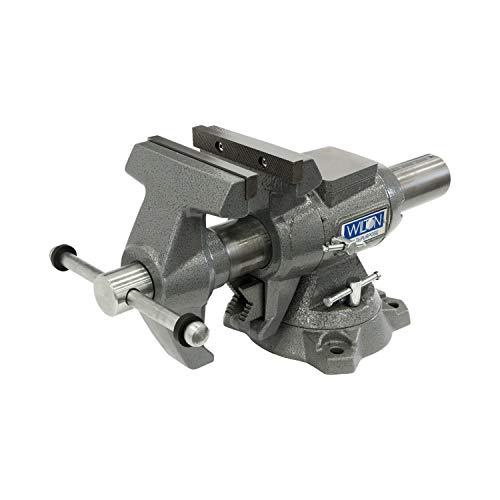
- 360-degree rotating head
- 30-degree indexed setup points
- Replaceable jaws and large anvil
Best For: Flexible, multi-angle workshop tasks
Compact Heavy-Duty Option
Forward CR40A 4.5-Inch Swivel Bench Vise
- 4.5-inch jaws and 5-inch opening
- 210-degree swivel base
- 6,600-pound stated clamping force
Best For: Strong clamping in a smaller workshop setup
Home Workshop Value
Yost LV-4 4.5-Inch Swivel Bench Vise

- 240-degree swivel head
- 9-pound homeowner-focused design
- 3-inch jaw opening and built-in anvil
Best For: Routine home workshop projects
Classic Workshop Pick
Bessey 4-Inch Swivel Bench Vise

- 360-degree swivel base with two lockdowns
- 4-inch jaws and 4-inch clamping capacity
- Cast-iron body with integrated anvil
Best For: General workshop and repair tasks
Heavy-Duty Versatility
VEVOR 6.5-Inch Rotating Bench Vise

- 6.5-inch jaws with a 5-inch opening
- Vertical and horizontal 360-degree rotation
- Pipe jaws, magnetic pads, and large anvil
Best For: Heavy-duty metalworking and pipe repair
Flexible DIY Clamp
MAXMAN 360-Degree Swivel Bench Vise

- 360-degree rotation with up to 45-degree tilt
- Rubber jaw covers and desktop gaskets included
- Ten holes support flexible mounting
Best For: DIY woodworking and handcraft projects
Heavy-Duty 6-Inch Pick

- 60,000 PSI ductile-iron construction
- 360-degree locking base and 5.9-inch opening
- Includes magnetic pads, hardware, and anvil
Best For: General-purpose workshops handling flat stock, pipe, and tool work
Maximum-Capacity Pick

- 6.57-inch jaws with 6.5-inch forward opening
- 9.3-inch reverse opening for larger workpieces
- 360-degree base and pipe-clamping capability
Best For: Heavy-duty work requiring extra jaw width or reverse-opening capacity
Compact Pipe-Work Pick

- 17.5-pound ductile-iron design
- Four-bolt mounting and 360-degree rotating base
- Built-in pipe jaw handles stock up to 2.36 inches
Best For: Home workshops and DIY pipe work where a lighter vise is preferred
Heavy-Duty Choice – Forward CR60A 6.5-Inch Swivel Bench Vise
For demanding shop work, the Forward CR60A is one of the most substantial swivel bench vises in this roundup. Its 6.5-inch jaws, 6-inch opening, ductile-iron construction, and 210-degree swivel base suit larger workpieces and jobs requiring a secure, adjustable setup.
Best For: Professional-style grinding, cutting, tapping, and general heavy-duty bench work.
Pros:
- 9,900 pounds of stated clamping force with PSI 60,000 ductile iron construction
- 210-degree swivel base helps position workpieces at different angles
- Includes replaceable flat and slot jaws plus built-in pipe jaws
- Large reinforced anvil supports forming and impact work
Cons:
- Its 18.42-kilogram weight may be excessive for lighter workbenches
- Large footprint can take up considerable bench space
The CR60A is a strong fit when maximum jaw capacity and rigidity matter more than portability. Confirm that your bench can support its size and weight before mounting.
Angle-Ready Pick – Wilton 550P 5-1/2-Inch Swivel Bench Vise
The Wilton 550P stands out among swivel bench vises for its 360-degree rotating head and indexed 30-degree increments. With 5.5-inch jaws, replaceable steel pipe jaws, and a built-in anvil, it offers flexible positioning for general-purpose shop work.
Best For: Users who frequently clamp workpieces at different angles and want a versatile utility vise.
Pros:
- 360-degree rotating head supports clamping at any angle
- 30-degree indexing allows quicker repeatable setup
- Replaceable hardened serrated jaws and steel pipe jaws improve gripping versatility
- Includes a large built-in anvil and lifetime warranty against manufacturing defects
Cons:
- Its 40-pound weight may make installation less convenient
- Its 5-inch maximum opening is smaller than the Forward CR60A
The 550P is a practical choice when angular access is a priority. Its rotating head and replaceable gripping components make it especially adaptable for varied bench tasks.
Compact Heavy-Duty Option – Forward CR40A 4.5-Inch Swivel Bench Vise
The Forward CR40A delivers heavy-duty features in a smaller format than the larger CR60A. This swivel bench vise has 4.5-inch jaws, a 5-inch opening, 6,600 pounds of stated clamping force, and a 210-degree swivel base for angled work.
Best For: Home and professional workshops needing strong clamping performance without the larger CR60A footprint.
Pros:
- PSI 60,000 ductile-iron construction is designed for durability and pliability
- 210-degree swivel base helps adjust workpiece position
- Replaceable flat and slot jaws plus built-in pipe jaws support varied materials
- Reinforced anvil handles grinding, cutting, and tapping tasks
Cons:
- 4.5-inch jaw width offers less capacity than the 6.5-inch CR60A
- It has a smaller 2.6-inch throat depth
The CR40A balances capacity and bench space well. Choose it when you want the Forward design and multiple jaw options but do not need the largest available vise.
Home Workshop Value – Yost LV-4 4.5-Inch Swivel Bench Vise
The Yost LV-4 is a home-workshop-oriented option among swivel bench vises. Its 4.5-inch jaws, 3-inch opening, 240-degree rotating head, and 3.5-by-2.7-inch anvil provide useful positioning and support for everyday projects.
Best For: Home users who want a relatively lightweight vise for routine workshop repairs and projects.
Pros:
- 240-degree swivel head provides broad positioning flexibility
- Heavy-duty 30,000 PSI gray-iron castings are designed for home workshop use
- Includes serrated jaws and a 3.5-by-2.7-inch anvil work surface
- Weighs 9 pounds, making it lighter than the other listed vises
Cons:
- Mounting hardware is not included
- Its 3-inch jaw opening is smaller than the Forward models
- Specifications identify it as a homeowner’s vise rather than a heavy-duty shop vise
The LV-4 is a sensible pick for lighter home-shop work where a broad swivel range and manageable weight are useful. Plan for secure mounting and verify the base lock before applying force.
Classic Workshop Pick – Bessey 4-Inch Swivel Bench Vise
For shoppers comparing swivel bench vises, the Bessey offers a straightforward heavy-duty workshop setup with 4-inch jaws, a 360-degree swivel base, and durable cast-iron construction. Its integrated anvil and three mounting holes add useful versatility for general bench work.
Best For: General workshop projects, repair work, and users who want a traditional cast-iron vise with a rotating base.
Pros:
- 360-degree swivel base with two lockdowns
- 4-inch jaw width and 4-inch clamping capacity
- Cast-iron construction with an incorporated anvil
- Three mounting holes for bench installation
Cons:
- Smaller jaw capacity than the larger 6.5-inch model in this roundup
- Designed primarily as a conventional workshop vise rather than a multi-angle swivel-head vise
The Bessey is a practical choice when dependable cast-iron construction and a simple rotating base matter more than specialized jaw features. Its 33.9-pound build provides a substantial workshop presence.
Heavy-Duty Versatility – VEVOR 6.5-Inch Rotating Bench Vise
Among swivel bench vises, the VEVOR stands out for its larger 6.5-inch jaws, ductile cast-iron construction, and both vertical and horizontal 360-degree rotation. Pipe jaws, V-jaws, magnetic jaw pads, and a large anvil make it suited to varied clamping jobs.
Best For: Heavy-duty metalworking, pipe repair, welding, cutting, and projects involving larger or irregularly shaped workpieces.
Pros:
- 6.5-inch jaw width with a 5-inch maximum opening
- 360-degree vertical and horizontal swivel movement
- Pipe jaws and V-jaws accommodate round and irregular materials
- Includes magnetic jaw pads and a 3.11-by-2.60-inch anvil
Cons:
- At 38.9 pounds, it is a substantial vise to mount and reposition
- Its larger industrial design may be more than needed for light DIY work
The VEVOR offers the broadest positioning flexibility and workpiece capacity of these three options. Its combination of rotating head and base is particularly useful when access angles change throughout a project.
Flexible DIY Clamp – MAXMAN 360-Degree Swivel Bench Vise
For DIY users seeking compact swivel bench vises, the MAXMAN combines a 360-degree rotating head with up to 45 degrees of tilt. Its clamp-style setup, rubber protection, and included installation hardware make it adaptable for woodworking, handcraft, and light workshop tasks.
Best For: DIY woodworking, handcraft projects, and users who need flexible positioning with protective jaw and desktop pads.
Pros:
- 360-degree spherical head rotation with up to 45-degree tilt
- Includes soft rubber jaw covers and non-slip desktop gaskets
- Ten mounting holes support different installation positions
- Chrome-plated spindle and hardened jaws are designed for repeated use
Cons:
- Approximately 3-inch jaw width and 3.2-inch maximum opening limit workpiece size
- The supplied guidance warns against adding leverage or excessive pressure
- Its 1.74-kilogram weight is lighter than the two cast-iron workshop vises
The MAXMAN is best viewed as a flexible, protective DIY vise rather than a heavy industrial clamp. Its angle adjustment and included rubber accessories are useful when surface protection and positioning convenience are priorities.
Heavy-Duty 6-Inch Pick – 6-Inch Swivel Bench Vise
This 6-inch VEVOR swivel bench vise is designed for demanding shop work, combining ductile-iron construction, a 360-degree locking base, and a 5.9-inch jaw opening. Its serrated jaws and integrated pipe-holding capability make it a versatile choice for drilling, cutting, sharpening, grinding, and other bench tasks.
Best For: DIYers and general-purpose workshops that need a sturdy swivel bench vise for flat stock, pipe, and tool work.
Pros:
- 60,000 PSI ductile-iron body with a powder-coated, rust-resistant finish
- 360-degree swivel base helps position work without repeatedly remounting it
- 6-inch jaws, 5.9-inch opening, and up to 4,496 pounds of clamping force
- Includes magnetic jaw pads, mounting hardware, and a 2.9-by-3-inch anvil
Cons:
- At 25 pounds, it may require a substantial workbench
- Its 6-inch footprint and capacity may be more than needed for light-duty projects
With its broad jaw capacity, pipe range, and included mounting accessories, this is a well-rounded option for users who want one vise to cover many workshop jobs.
Maximum-Capacity Pick – 6.5-Inch Swivel Bench Vise
This larger VEVOR model stands out among swivel bench vises with 6.57-inch jaws, a 6.5-inch forward opening, and a 9.3-inch reverse opening. The 360-degree locking base, ductile-iron body, and pipe-capable jaws provide flexibility for larger or more varied workpieces.
Best For: Heavy-duty workshop users who prioritize extra jaw width and an unusually large reverse opening.
Pros:
- Largest jaw width in this selection at 6.57 inches
- 6.5-inch forward and 9.3-inch reverse openings accommodate larger workpieces
- 360-degree swivel base and up to 4,496 pounds of clamping force
- Includes magnetic jaw pads, mounting hardware, and a 2.8-by-3-inch anvil
Cons:
- At 27 pounds, it is the heaviest option in this roundup
- Its larger capacity may be unnecessary for compact benches or small projects
If your projects regularly involve wider material or require the added reach of a reverse opening, this model offers the most capacity here while retaining pipe-clamping versatility.
Compact Pipe-Work Pick – 5-Inch Swivel Bench Vise
This 5-inch VEVOR swivel bench vise offers a more compact alternative for everyday clamping and round-stock work. It combines a 360-degree rotating base with a four-bolt mounting design, a 5-inch maximum opening, and a built-in pipe jaw for material up to 2.36 inches in diameter.
Best For: Home workshops and DIY users who want a lighter vise with dedicated round-pipe holding capability.
Pros:
- 17.5-pound design is lighter than the larger models in this roundup
- Four-bolt mounting design supports stable installation
- 5-inch jaw width and 5-inch maximum opening suit a range of workpieces
- Built-in pipe jaw clamps round stock from 0.59 to 2.36 inches
Cons:
- Smaller jaw width and opening provide less capacity than the 6-inch and 6.5-inch options
- Anvil surface is smaller at 2.17 by 2.36 inches
This model is a practical fit when bench space and weight matter, especially if pipe work is part of your routine and you still want the positioning flexibility of a rotating base.
How We Picked These Swivel Bench Vises
We focused on practical features that affect everyday workshop use: jaw width and opening, throat depth, swivel range, base stability, construction materials, anvil space, and the type of work each vise is suited to handle. The lineup includes compact homeowner models, general-purpose workshop vises, and larger heavy-duty options.
Because product specifications and intended uses vary, a larger vise is not automatically the best choice. The right model should fit your bench, provide enough opening capacity for your projects, and offer dependable clamping without wasting valuable workspace.
Quick Comparison
| Best For | What to Prioritize | Typical Choice |
|---|---|---|
| Home repairs | Compact size, easy mounting, useful swivel range | 4- to 4.5-inch vise |
| General workshop tasks | Balanced jaw capacity and rigid construction | 5- to 5.5-inch vise |
| Heavy-duty work | Wide jaws, deep throat, strong locking base | 6- to 6.5-inch vise |
| Woodworking and DIY | Smooth positioning and suitable jaw protection | Swivel model with replaceable or padded jaws |
Key Buying Factors for Swivel Bench Vises
Jaw Width and Opening
Jaw width affects how much surface area can grip the workpiece, while maximum opening determines the largest item the vise can hold. A 4- to 4.5-inch model is often sufficient for household repairs and smaller projects. Choose 5 inches or more for larger stock, pipe, and regular workshop use.
Swivel Range and Locking Base
A 360-degree base offers the greatest positioning flexibility, while a 210-degree design may provide ample movement with a simpler footprint. More important than the advertised range is whether the base locks firmly and resists movement under load.
Construction and Stability
Cast iron is common and handles general work well, while ductile iron or cast steel can provide greater toughness for demanding use. Check the vise’s overall weight, mounting-hole layout, and bench compatibility. A rigid installation is essential; even a strong vise performs poorly when attached to a weak or undersized surface.
Throat Depth and Anvil Space
Greater throat depth helps support taller workpieces below the jaws. An integrated anvil is useful for light hammering and shaping, but it should not replace a dedicated anvil for heavy forging.
Who Should Buy Which Swivel Bench Vises?
Choose a compact 4-inch or 4.5-inch model if you have limited bench space or mainly perform repairs, hobby work, and light fabrication. Choose a 5-inch to 5.5-inch vise for the best all-around balance of capacity and manageability. Choose a 6-inch or 6.5-inch heavy-duty vise if you routinely clamp large stock, work with metal, or need maximum gripping area and stability.
Before buying, confirm the vise’s mounting dimensions, base clearance, jaw opening, and total weight. Also consider soft jaw covers if you will clamp finished wood, aluminum, painted parts, or other surfaces that can be damaged by serrated jaws.