If you want a fast, affordable way to understand a check engine light, the right scanner can save time, stress, and guesswork. The best car diagnostic scanners for beginners are simple to plug in, easy to read, and clear enough to use without a mechanic background.
In this roundup, we focus on tools that balance ease of use, core features, and value, so you can choose a scanner that fits your comfort level and your car’s needs.
Best 10 Car Diagnostic Scanners for Beginners Picks for 2026
CEL Light Fixer
ANCEL AD310 Classic OBD2 Code Reader

- Reads and clears check engine codes fast
- Shows live data, freeze frame, and readiness
- Compact, plug-in design with no battery needed
Best For: Beginners who need a simple check-engine-light reader
Smog Check Helper
FOXWELL NT201 Engine Code Reader

- Reads and clears engine codes quickly
- One-key I/M readiness with color lights
- Shows live data and O2 sensor readings
Best For: Beginners preparing for emissions checks
Simple Plug-In Scan Tool
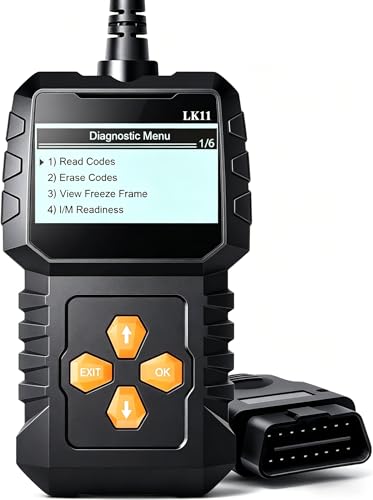
- Easy plug-and-play engine diagnostics
- Shows live data, freeze frame, and VIN details
- Large 7-inch screen for quick reading
Best For: Beginners who want more data without extra complexity
Budget Everyday Reader
MOTOPOWER MP69033 OBD2 Scanner

- Built-in DTC lookup library for code help
- Reads/clears codes with live data and readiness
- Compact, vehicle-powered design
Best For: Beginners looking for a budget-friendly code reader
Beginner pick
Autel AL319 Professional OBD2 Scanner
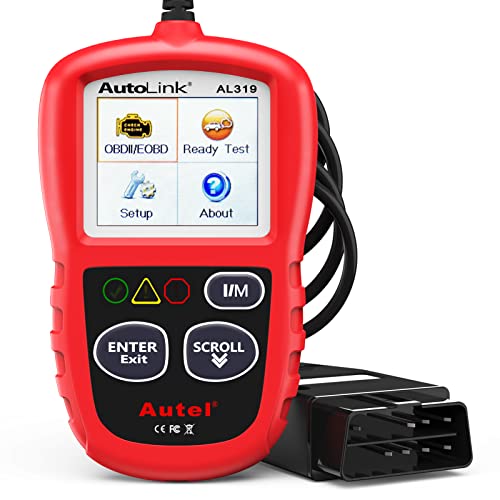
- Plug-and-play design for quick use
- Reads/clears codes and shows live data
- One-click I/M readiness and color display
Best For: First-time users who want simple check-engine light diagnostics
Simplest budget option
Autel MS309 Universal Fault Code Reader
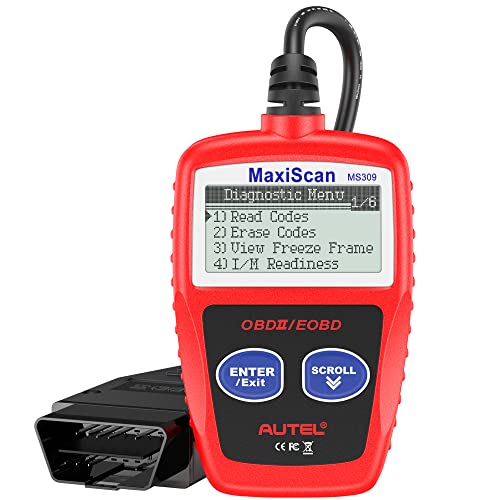
- Plug-and-play with no registration required
- Reads codes and shows DTC definitions
- Basic functions only, with compatibility limits
Best For: Beginners who need a very basic code reader for supported vehicles
Best feature upgrade

- One-click code reading and clearing
- Live data graphs plus O2/EVAP tests
- I/M readiness lights for inspection prep
Best For: Beginners who want a simple scanner with more advanced OBD2 tools
Simple Everyday OBD2 Scanner
ANCEL AD410 for Check Engine Basics

- 42,000+ built-in DTC lookups
- Reads codes, live data, freeze frame, and readiness
- No app or battery required
Best For: Beginners who want an easy, no-app engine code reader
Basic Plug-and-Play Reader
Autel MS309 for Quick Code Checks

- Built-in definitions for 1,000+ codes
- Reads codes, freeze frame, VIN, and readiness
- No registration or setup required
Best For: Beginners wanting a straightforward basic code reader
Feature-Rich Beginner Scanner
ZMOON ZM201 with Color Display

- 50,000+ code database with code definitions
- Live data graph view and EVAP/O2 checks
- 2.8-inch color display with easy menus
Best For: Beginners who want more data without a complicated tool
CEL Light Fixer – ANCEL AD310 Classic OBD2 Code Reader
If you want a straightforward pick among car diagnostic scanners for beginners, the ANCEL AD310 keeps things simple: plug it in, read the check engine light code, clear it after repairs, and review a few basic live-data details. It is designed for OBDII vehicles and focuses on emission-related engine codes, which makes it a practical first scanner for everyday drivers.
Best For: New drivers and DIY owners who mainly want to diagnose and clear check engine light issues.
Pros:
- Reads and clears engine trouble codes quickly after a repair
- Shows live data, freeze frame, I/M monitor readiness, and vehicle info
- Compact, lightweight, and powered directly by the vehicle
- Works with many 1996+ US, 2000+ EU, and Asian OBD2 vehicles
Cons:
- Only supports emission-related OBDII engine diagnostics
- Does not work with OBDI vehicles
- Not meant for non-engine systems like ABS or airbags
Overall, the AD310 is a solid entry-level code reader if you want fast answers without extra setup. Its large screen, clearly labeled buttons, and battery-free design make it especially friendly for beginners.
Smog Check Helper – FOXWELL NT201 Engine Code Reader
For car diagnostic scanners for beginners, the FOXWELL NT201 is built around easy check-engine-light troubleshooting and basic emissions checks. It plugs in, shows the fault code within seconds, clears codes after repairs, and adds a one-key I/M readiness check so you can quickly see whether your car is ready for inspection.
Best For: Beginner DIYers who want a simple reader with an easy emissions readiness check.
Pros:
- Reads and clears check engine light codes with a simple plug-in setup
- One-key I/M readiness hotkey with color-coded status lights
- Displays live data like RPM, coolant temperature, intake air temperature, and O2 sensor readings
- Lifetime free updates with no external power required
Cons:
- Only supports engine and emissions diagnostics
- Does not work with electric vehicles or 24V heavy-duty trucks
- Not for ABS, airbags, or transmission systems
The NT201 is a good fit if you want beginner-friendly guidance without digging through menus. Its live data and readiness tools go a little beyond the most basic code readers, while staying easy to use.
Simple Plug-In Scan Tool – LK11 OBD2 Code Reader
The LK11 is aimed at car diagnostic scanners for beginners who want plug-and-play use and a wider set of basic data than a bare-bones code reader. It can retrieve and clear engine codes, show live data and freeze frame information, and pull vehicle details like VIN, Calibration ID, and CVN without requiring automotive knowledge.
Best For: Beginners who want a straightforward scanner with extra vehicle information and live data.
Pros:
- Plug-and-play design with no technical setup required
- Retrieves and clears engine fault codes, live data, and freeze frame info
- Can display VIN, Calibration ID, CVN, and I/M readiness data
- Large 7-inch screen for easy reading
Cons:
- Listing does not specify broader system support beyond engine diagnostics
- Focus is on basic OBD2 functions rather than advanced service features
- Must be used with compatible OBDII vehicles since 1996 and newer
If you want a beginner-friendly scanner that still surfaces a lot of useful information, the LK11 is a sensible middle ground. It keeps the process simple while giving you more context than a basic code-only tool.
Budget Everyday Reader – MOTOPOWER MP69033 OBD2 Scanner
Among car diagnostic scanners for beginners, the MOTOPOWER MP69033 stands out as a practical low-frills option for checking engine-light problems. It reads and erases codes, shows freeze frame and live data, and includes a built-in DTC lookup library so you can start understanding the issue right away.
Best For: First-time buyers who want an affordable, easy-to-use engine code reader with useful basics.
Pros:
- Built-in DTC lookup library helps explain engine codes
- Reads and clears codes plus freeze frame, I/M readiness, and live data
- Compact design with a 2.8-inch LCD and button shortcuts for VIN and DTC lookup
- No battery or charger needed; powered through the vehicle
Cons:
- Does not support ABS, airbag, or oil service light systems
- Screen is smaller than some other beginner-friendly options
- Requires a compatible OBDII vehicle and proper connection steps
This is a straightforward scanner for drivers who want the core OBD2 essentials without paying for advanced features they may never use. The multilingual support and direct code lookup make it especially approachable for beginners.
Beginner pick – Autel AL319 Professional OBD2 Scanner
If you’re comparing car diagnostic scanners for beginners, the Autel AL319 is a straightforward plug-and-play option that focuses on the basics most drivers need first: reading and clearing check engine codes, checking live data, viewing freeze frame info, and confirming I/M readiness.
Best For: New DIYers who want a simple, easy-to-use scanner for everyday check engine light checks.
Pros:
- Easy plug-and-play operation with a simple interface
- Reads and clears DTCs, plus live data and freeze frame info
- One-click I/M readiness and clear visual indicators
- No batteries needed; includes a color display and built-in speaker
Cons:
- Focused on core OBD2 functions rather than advanced diagnostics
- Compatibility is limited to post-1996 OBD II vehicles
Overall, the AL319 is a practical starter scanner if you want a guided, low-fuss way to understand a CEL and verify basic vehicle status before heading to a repair shop.
Simplest budget option – Autel MS309 Universal Fault Code Reader
For shoppers researching car diagnostic scanners for beginners, the Autel MS309 is about as simple as it gets: plug it in, read DTCs, view code definitions, check freeze frame and I/M readiness, then clear the check engine light on supported vehicles.
Best For: Drivers who want a basic, no-registration scanner for quick CEL checks on compatible cars.
Pros:
- Plug-and-play operation with no registration required
- Reads codes and displays definitions for easier understanding
- Includes freeze frame and I/M readiness functions
- Two-button layout and backlit display keep it beginner-friendly
Cons:
- Does not support advanced engine system diagnostics
- Not compatible with FCA vehicles after 2017 or SGW-equipped vehicles
- Compatibility should be confirmed before buying
The MS309 is a compact entry-level reader for basic fault-code checks, but buyers should pay close attention to the compatibility limitations before choosing it.
Best feature upgrade – FOXWELL NT301 OBD2 Scanner
If you want car diagnostic scanners for beginners but don’t want to outgrow the tool too quickly, the FOXWELL NT301 adds more guidance than a bare-bones reader. It can read and clear engine codes, show live data graphs, run O2 sensor and EVAP tests, and use clear pass/fail indicators for inspection prep.
Best For: DIY owners who want a beginner-friendly scanner with more diagnostic depth and live-data features.
Pros:
- Reads and clears codes with one-click operation
- Live data graphing helps spot issues in real time
- I/M readiness hotkeys and LED indicators simplify inspection checks
- Includes O2 sensor and EVAP testing for more useful diagnostics
Cons:
- Still limited to OBDII engine-related functions
- Compatibility varies by vehicle year, make, model, and VIN
The NT301 is a strong step-up for beginners who want an easy scanner today and a more capable tool tomorrow, especially if they like live data and test-readiness features.
Simple Everyday OBD2 Scanner – ANCEL AD410 for Check Engine Basics
If you want one of the easiest car diagnostic scanners for beginners, the ANCEL AD410 keeps things straightforward. It reads and clears engine-related fault codes, shows code definitions on screen, and gives you live data and readiness checks without needing an app or phone setup.
Best For: New drivers and DIY users who want a simple plug-in scanner for check engine light troubleshooting and emissions checks.
Pros:
- Built-in DTC lookup database with 42,000+ code definitions
- Reads/clears codes plus live data, freeze frame, O2, EVAP, and I/M readiness
- No battery, charging, Bluetooth, or app required
- Color screen and multilingual menus make it beginner-friendly
Cons:
- Engine and emissions codes only; no ABS, SRS, transmission, or reset functions
- Compatibility is limited to supported OBD2 vehicles, so check your vehicle first
The AD410 is a practical pick if your main goal is understanding a check engine light before heading to a repair shop. It offers enough core diagnostics to be useful, while staying simple enough for first-time users.
Basic Plug-and-Play Reader – Autel MS309 for Quick Code Checks
For car diagnostic scanners for beginners who only need the essentials, the Autel MS309 is a simple plug-and-play option. It reads and clears common OBDII codes, shows code meanings on screen, and can pull freeze frame and vehicle information to help you understand a check engine light faster.
Best For: DIY owners who want a basic, easy-to-use code reader for engine light and emissions checks.
Pros:
- Plug-and-play design with no registration required
- Displays on-screen DTC definitions from a built-in database of 1,000+ codes
- Retrieves freeze frame data, VIN, calibration ID, and CVNs
- Includes I/M readiness for smog-check prep
Cons:
- Basic OBDII functions only; no TPMS or advanced service features
- Not compatible with FCA vehicles after 2017 that use SGW security
The MS309 is best when you want a no-fuss reader for quick troubleshooting, not a full diagnostic suite. It focuses on the core checks most beginners need and keeps the learning curve low.
Feature-Rich Beginner Scanner – ZMOON ZM201 with Color Display
The ZMOON ZM201 is a strong choice if you want car diagnostic scanners for beginners but still want extra features beyond basic code reading. It reads and clears engine codes, checks readiness, shows live data in graph view, and uses a built-in 50,000+ DTC database to help explain what the fault means.
Best For: Beginner and DIY users who want a simple engine scanner with more data and a clearer screen.
Pros:
- Reads and clears engine codes with a 50,000+ DTC database
- Live data graph view, freeze frame, O2 sensor, onboard monitor, and EVAP checks
- 2.8-inch color screen with adjustable brightness and light/dark modes
- Plug-and-play operation with lifetime free software updates
Cons:
- Engine diagnostics only; no ABS, SRS, or transmission support
- Temporary faults can be reset, but permanent faults require repairs first
If you want a beginner-friendly scanner that feels a little more capable, the ZM201 hits a good balance. It remains easy to use, but adds more live information and a better display for everyday troubleshooting.
How We Picked the Best Car Diagnostic Scanners for Beginners
We prioritized simple operation, clear displays, broad OBD2 compatibility, and the everyday functions most first-time buyers actually need: reading codes, clearing codes, and checking basic emissions or live data where available. We also looked for models that are easy to set up and don’t require a steep learning curve.
Quick Comparison
For most beginners, a basic code reader is enough if you mainly want to identify why the check engine light is on and clear it after a repair. If you want a little more insight, choose a model with live data, I/M readiness, or enhanced code definitions. That makes it easier to understand whether a problem is urgent, intermittent, or already resolved.
Key Buying Factors for Car Diagnostic Scanners for Beginners
Ease of Use
Look for a scanner with a plug-and-play design, clear menu labels, and a readable screen. The best options are simple enough to use the first time without reading a long manual.
Core Functions
At minimum, beginners should look for code reading and code clearing. Helpful extras include freeze frame data, live data, emission readiness status, and built-in trouble code definitions.
Compatibility
Make sure the scanner supports OBD2-equipped vehicles, which covers most gasoline cars and light trucks from 1996 onward in the U.S. If you drive an older vehicle or a diesel, confirm coverage before buying.
Display and Feedback
A bright screen, legible text, and simple status indicators make a big difference when you’re learning. This is especially useful when comparing multiple fault codes or checking whether a system is ready for inspection.
Budget Vs. Features
Entry-level scanners are usually the best value for first-time users. More expensive models are worth considering if you want live data, stronger diagnostics, or a clearer interface, but you do not need advanced mechanics-level features to get started.
Who Should Buy Which Car Diagnostic Scanners for Beginners?
If you want the simplest possible option, choose a basic handheld code reader. If you like a bit more detail and plan to diagnose occasional issues yourself, pick one with live data or enhanced diagnostics. For drivers who only want to confirm and clear a warning light, a budget-friendly scanner is usually the smartest choice. For DIY owners who expect to use a scanner often, spending a little more on a faster, more readable model can be worth it.
Overall, Car Diagnostic Scanners for Beginners should make car trouble easier to understand, not harder. Choose the model that gives you the clearest information with the least hassle, and you’ll be better equipped to handle warning lights confidently.