Looking for ev chargers with rfid access that make home charging more secure and easier to manage? The best options combine reliable Level 2 speed, simple installation, and access control you can trust.
In this roundup, we focus on chargers and compatible accessories that help prevent unauthorized use while still delivering the performance most EV owners want from a modern home charging setup.
Best 10 Ev Chargers with Rfid Access Picks for 2026
Rugged RFID-Controlled Level 2 Charging

- Optional RFID start/stop card for access control
- Adjustable 10A-40A charging with scheduled sessions
- 4.3-inch LCD plus 25 ft cable and built-in storage
Best For: Home EV owners who want RFID access and flexible charging controls
Access Add-On Cards

- Lightweight cards for wallet or pocket carry
- 2-pack offers a spare access option
- Made for compatible Autel charging stations
Best For: Autel charger owners who need portable RFID access cards
App-Managed RFID Home Charger
EVIQO Level 2 EV Charger J1772 40A

- RFID support plus app-based start/stop controls
- 25 ft cable with IP66 / NEMA 4 weatherproof housing
- UL, ETL, FCC, and Energy Star certified
Best For: Drivers wanting RFID access, app control, and weatherproof charging
Flexible 40/48A Smart Charger
Upgraded Version Level 2 EV Charger

- RFID card mode plus scheduled charging in the app
- 40A plug-in or 48A hardwired installation options
- Dual temperature sensors and power sharing support
Best For: Households that want RFID access with flexible, higher-power installation
Portable Smart Home Charger
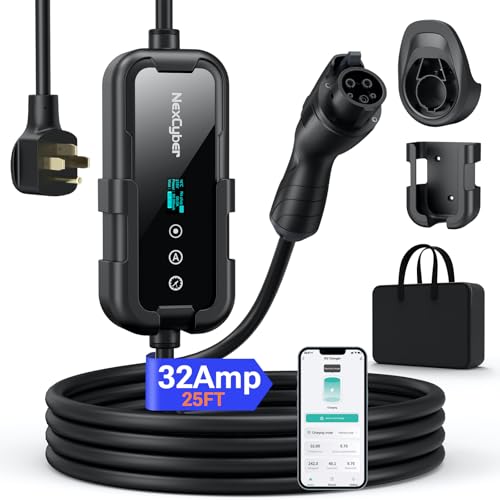
- 32A Level 2 charging with NEMA 14-50 plug
- WiFi app tracks cost, history, and scheduling
- 25-foot cable with ETL/FCC certification
Best For: Home users wanting a portable J1772 charger with app control
RFID-Ready Smart Home Charger
48A 11.5kW App Charger with RFID

- RFID card authentication plus app control
- 48A hardwired charging with 11.5kW output
- Power sharing and load balancing support
Best For: Buyers wanting RFID access plus advanced smart charging features
Access-Control Wall Charger

- RFID card authentication for access control
- Plug-in NEMA 14-50 installation
- ETL/UL certified with IP65 rating
Best For: Users wanting RFID access in a plug-in Level 2 charger
Fastest Hardwired Home Charger

- Up to 48A hardwired Level 2 charging
- App shows charging data, history, and costs
- UL/CSA certified with IP65 weatherproofing
Best For: Homeowners who want fast hardwired charging with strong app controls
Most Flexible Access Options

- Supports RFID card, app, and plug-and-charge
- 40A Level 2 charging up to 38 miles/hour
- CSA/FCC certified with NEMA 4X housing
Best For: Shared households that want RFID card access and multiple charging methods
Best Smart Hardwired Pick

- Hardwired 48A Level 2 charging
- App control with scheduling and energy tracking
- UL/ETL/FCC certified with IP66 / NEMA 4 housing
Best For: Drivers who want a powerful hardwired charger with smart app management
Rugged RFID-Controlled Level 2 Charging – J1772 Level 2 EV Charger 40A
If you want ev chargers with rfid access for home use, this 40A J1772 unit is built around convenience and control. It offers scheduled charging, selectable amperage, and a clear LCD so you can manage charging without guesswork.
Best For: Drivers who want RFID authorization, flexible amperage, and a straightforward wall-mounted home charger.
Pros:
- Optional RFID start/stop card helps prevent unauthorized use.
- Adjustable amperage from 10A to 40A for different charging needs.
- 4.3-inch LCD shows rate, temperature, voltage, power, and charge totals.
- 25 ft cable and integrated storage help with garage placement and cable management.
Cons:
- Tesla vehicles need an adapter that is not included.
- Hard-wired installation is not described in the supplied notes.
Overall, this is a practical pick if RFID access is a must and you also want a feature-rich display and off-peak scheduling. Its appeal is strongest for users who value control, visibility, and built-in cable storage in one charger.
Access Add-On Cards – Autel RFID Cards, 2-Pack
These ev chargers with rfid access cards are a simple add-on for compatible Autel charging stations. They are designed to be carried in a wallet or pocket, making authorization quick and lightweight.
Best For: Autel charger owners who need spare RFID access cards for convenient authorization.
Pros:
- Lightweight cards fit easily in a wallet or pocket.
- 2-pack provides a simple spare or backup option.
- Built for convenient authorization on compatible Autel charging stations.
Cons:
- Only works with compatible Autel EV chargers.
- Not a charger itself, so it only helps with access control.
If you already use a compatible Autel setup, these cards are an easy way to keep RFID access on hand. The value here is convenience rather than features, which makes them useful as backups or shared household cards.
App-Managed RFID Home Charger – EVIQO Level 2 EV Charger J1772 40A
For shoppers comparing ev chargers with rfid access, this EVIQO model blends access control with app-based charging management. It also adds a long cable, weatherproof housing, and broad J1772 compatibility for a flexible home setup.
Best For: Drivers who want RFID support, app controls, and a weatherproof Level 2 charger for indoor or outdoor use.
Pros:
- Supports app control for start/stop, amperage adjustment, reminders, and energy tracking.
- Compatible with all non-Tesla EVs using J1772, plus Tesla with a vehicle adapter.
- 25 ft cable and NEMA 4 / IP66 housing suit garage or outdoor installation.
- Certified by UL, ETL, FCC, and Energy Star, with a 3-year warranty.
Cons:
- Requires 2.4 GHz WiFi for app features.
- Tesla compatibility depends on an adapter that is not included by the charger.
This is a strong all-around pick if you want RFID capability plus remote control and durable build quality. It stands out most for users who want to schedule cheaper overnight charging while keeping the unit ready for tougher weather conditions.
Flexible 40/48A Smart Charger – Upgraded Version Level 2 EV Charger
This upgraded charger is a good fit if you want ev chargers with rfid access and also need advanced power management. It supports both plug-in and hardwired setups, adds RFID card mode in the app, and offers higher output when hardwired.
Best For: Owners who want RFID-based charging, flexible installation, and higher-power Level 2 performance.
Pros:
- Supports RFID card charging through the app, along with scheduled charging.
- Can run at 40A with the included NEMA 14-50 plug or 48A when hardwired.
- Includes dual temperature sensors for added thermal protection during high-power charging.
- Power sharing and dynamic load balancing support smarter home energy use.
Cons:
- 5 GHz WiFi is not supported.
- Energy meter for dynamic load balancing is only available in a bundle.
Compared with simpler home chargers, this model is built for users who want more installation flexibility and smarter load management. Its RFID support is only one part of a broader feature set, but that makes it especially appealing for households planning around both access and power control.
Portable Smart Home Charger – 32A WiFi Level 2 EV Charger
If you want one of the more flexible EV chargers with RFID access alternatives in a portable form factor, this 32A Level 2 unit is built for everyday home charging with app-based control. It uses a NEMA 14-50 plug, a 25-foot cable, and a J1772 connector, so it fits a wide range of North American EVs and PHEVs while keeping setup simple.
Best For: Drivers who want a plug-in Level 2 charger with app control, a long cable, and broad J1772 compatibility.
Pros:
- Up to 32A charging on a NEMA 14-50 plug for faster home charging
- WiFi app support for charging schedules, cost tracking, history, and notifications
- 25-foot cable and ETL/FCC certification with NEMA Type 4 protection
- Compatible with most J1772 EVs and PHEVs in North America
Cons:
- Tesla/NACS vehicles need an adapter, which is not included
- Some setup features depend on the touch screen and app workflow
- Manual amperage changes and factory reset steps may take a little getting used to
This is a practical plug-in charger for homeowners who value convenience, app monitoring, and a long reach more than advanced access-control features like RFID.
RFID-Ready Smart Home Charger – 48A 11.5kW App Charger with RFID
Among EV chargers with RFID access, this 48A Level 2 model stands out because it supports RFID card authentication alongside scheduled charging and app-based control. It is designed for hardwired installation and offers high-speed charging, connector temperature monitoring, and power-management features for more advanced home setups.
Best For: Homeowners who want a hardwired smart charger with RFID card support, high output, and load-management options.
Pros:
- Supports RFID card charging control in addition to app and scheduled modes
- Up to 48A/11.5kW charging for fast home charging with hardwired install
- App includes TOU rates, energy tracking, multiple user accounts, and OTA upgrades
- Power sharing and dynamic load balancing support available with compatible setup
Cons:
- Hardwired installation required, so it is not a simple plug-in option
- Requires a 60A breaker and licensed electrician
- 2.4GHz WiFi only, with no 5GHz support
This is the strongest pick here for buyers specifically looking for RFID-enabled access control, especially if they also want fast charging and utility-friendly smart features.
Access-Control Wall Charger – 40A J1772 Charger with RFID
If your shortlist for EV chargers with RFID access leans toward a plug-in wall charger, this 40A model is a strong fit. It combines RFID card authentication with Smart App control and plug-and-charge mode, giving you a flexible way to restrict charging when needed without giving up convenience.
Best For: Drivers who want RFID access control in a plug-in Level 2 charger with flexible daily charging modes.
Pros:
- Supports RFID card authentication for restricted access
- Also offers plug-and-charge mode and Smart App control
- 40A Level 2 output with NEMA 14-50 plug-in installation
- ETL/UL certified, IP65 waterproof, and includes a 25-foot cable
Cons:
- Tesla vehicles require a separate J1772 adapter
- Best performance note suggests using a non-GFCI NEMA 14-50 outlet
- WiFi control is limited to 2.4GHz only
This charger makes sense if you want the security of RFID-based access without moving to a hardwired installation, while still keeping strong everyday charging flexibility.
Fastest Hardwired Home Charger – 48A Level 2 Charging
If you want an EV charger with RFID access-style convenience, this hardwired Level 2 unit is really about speed, app control, and dependable daily charging. The 48A output can deliver up to 46 miles of range per hour, and the adjustable current plus scheduling features make it easy to tailor charging to your routine.
Best For: Drivers who want a fast, hardwired home charger with strong smart-control features and universal J1772 compatibility.
Pros:
- Up to 48A / 240V charging with strong daily top-up speed
- Adjustable current from 10A to 48A in 1A increments
- App features include monitoring, charging history, costs, remote start/stop, and scheduling
- UL 2594 and CSA C22.2 No.280 certified with IP65 weatherproofing
Cons:
- Requires hardwired installation by a licensed electrician
- Tesla drivers need a J1772-to-NACS adapter, not included
- Needs a dedicated 240V / 60A circuit
Overall, this is a strong pick if your priority is fast, reliable home charging with robust monitoring and safety certification. It does not include RFID card access, but it does cover the smart charging basics most households need.
Most Flexible Access Options – RFID Card Control
For shoppers comparing EV chargers with RFID access, this WOLFBOX model stands out because it supports app control, RFID card use, and plug-and-charge operation. It also delivers up to 40A Level 2 charging and includes scheduling tools that can help reduce charging costs over time.
Best For: Families or shared garages that want multiple ways to start charging, including RFID card access.
Pros:
- RFID card control plus app and plug-and-charge options
- Up to 40A charging and up to 38 miles of range per hour
- CSA and FCC certified with UL 2594 compliance and 8 protection features
- 25-foot cable and NEMA 4X waterproof, dustproof housing
Cons:
- Must be installed on a circuit breaker rated at 50A or greater
- Tesla vehicles require a NACS adapter
- Adjustable amperage relies on matching the dial code to your panel
This is the most clearly RFID-ready option in the group, especially if you want different users to have an easy way to authorize charging. Add in the app scheduling and weather-resistant build, and it becomes a practical home charger for shared access.
Best Smart Hardwired Pick – 48A Wall Charger
If you’re looking for EV chargers with RFID access features, this EVIQO unit is more about strong app-based control than card authorization, but it still checks the key boxes for a smart home charger. It delivers up to 48A on a hardwired 240V circuit, with a 25-foot cable, WiFi app control, and weatherproof construction for indoor or outdoor use.
Best For: Drivers who want a hardwired, high-power Level 2 charger with app scheduling and dependable long-term support.
Pros:
- Up to 48A charging on a dedicated 60A, 240V circuit
- App control with start/stop, charging speed adjustment, reminders, and energy tracking
- UL, ETL, FCC, and Energy Star certified with IP66 / NEMA 4 housing
- 25-foot cable and included glow-in-the-dark holster
Cons:
- Requires hardwired professional installation
- Tesla drivers still need the adapter that comes with the car
- WiFi features require a 2.4 GHz home network
In practical terms, this is a well-rounded hardwired charger for drivers who want reliable speed and app management. It does not mention RFID card access, so it’s better for households that can live without that specific login method.
How We Picked the Best Ev Chargers with Rfid Access
We focused on EV charging hardware and access solutions that fit real-world home use: dependable Level 2 output, J1772 compatibility, practical cable lengths, and secure access features such as RFID support or compatible RFID card systems. We also considered installation style, outlet versus hardwired setups, and safety certifications where available.
Quick Comparison
In this group, the main differences are charging speed, mounting style, and how access control is handled. Some units are designed for plug-in flexibility, others for hardwired permanence, and one option serves as an RFID accessory for compatible chargers. If you want simpler daily use, look for straightforward activation and clear status indicators; if security matters most, prioritize true access control and compatibility with your setup.
Key Buying Factors for Ev Chargers with Rfid Access
Access Control Method
Not every product uses RFID the same way. Some chargers include built-in RFID locking or authorization, while others require separate cards or compatible systems. Confirm exactly how access is granted before buying.
Charging Speed and Amperage
Most home buyers should compare 32A, 40A, and 48A options based on the vehicle’s onboard charging limits and the electrical capacity of the home. Higher amperage can reduce charging time, but only if your EV and circuit can support it.
Installation Type
Choose plug-in if you want easier relocation or simpler setup, and hardwired if you want a cleaner, more permanent installation. Make sure the plug type matches your outlet, or budget for electrical work if hardwiring is required.
Cable Length and Everyday Convenience
A 25-foot cable can make parking easier in garages and driveways, especially if the charge port location varies by vehicle. Also check display visibility, delay-charge features, and app support if those matter to your routine.
Safety and Certification
For home charging, safety listings and build quality matter. Look for relevant certifications, weather resistance for outdoor use, and protection features such as overcurrent and temperature monitoring.
Who Should Buy Which Ev Chargers with Rfid Access?
If you want the most secure household charging access, choose a charger with built-in RFID functionality or a compatible RFID ecosystem. If you mainly want fast, dependable charging with simple day-to-day use, a high-quality 40A or 48A Level 2 unit may be the better fit. If portability matters, a plug-in model is usually the most practical choice. If you’re building a dedicated garage setup, a hardwired unit can offer the cleanest long-term solution.
For most shoppers comparing Ev Chargers with Rfid Access, the best pick is the one that matches your EV’s charging limit, your home’s electrical setup, and the level of access control you actually need.